
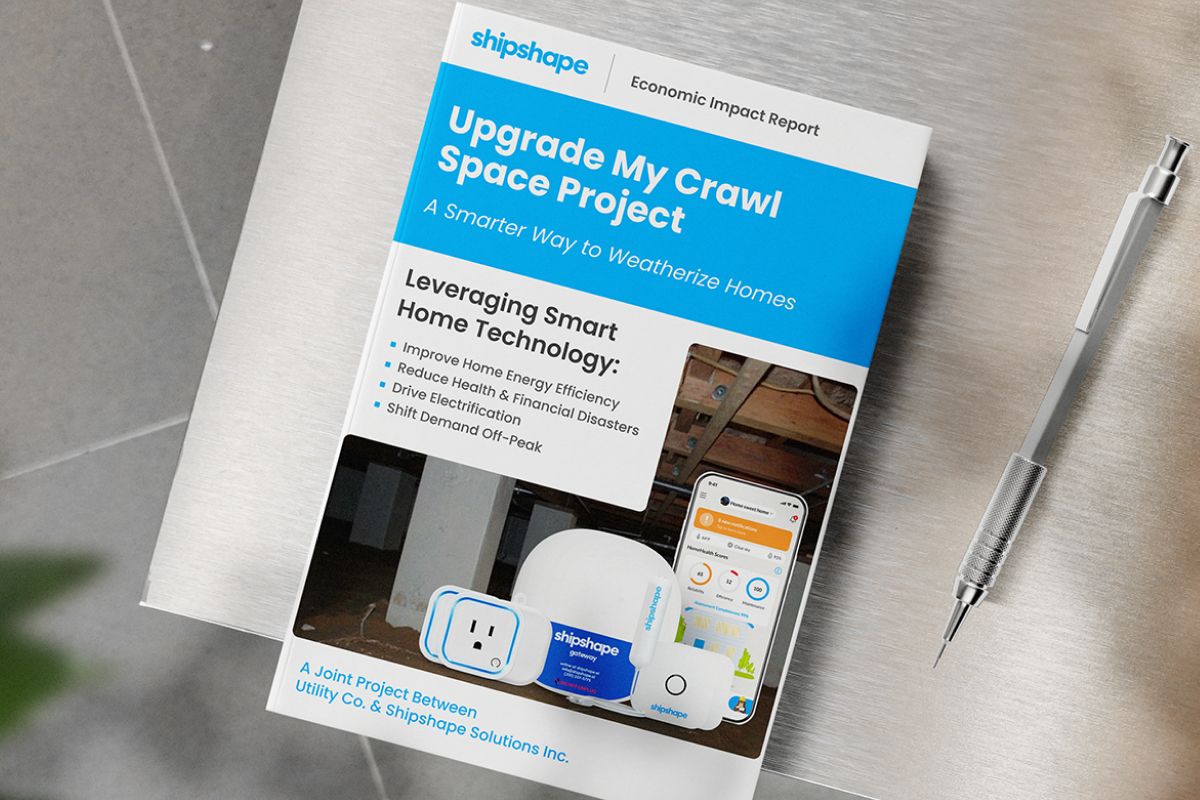
Most homeowners rarely think about the space beneath their home—until something goes wrong. But crawl spaces are far more than a forgotten gap between the ground and the first floor. They house critical infrastructure, influence indoor air quality, and play a direct role in energy efficiency and structural integrity. When a crawl space fails, the consequences ripple upward through the entire home. This project explores why upgrading your crawl space is one of the highest-ROI investments a homeowner can make, and how modern technology is transforming what was once a neglected void into a monitored, controlled environment.
The Unseen Problem Beneath Your Home
Crawl spaces are uniquely vulnerable to moisture intrusion, and moisture is the catalyst for nearly every crawl space problem: mold growth, wood rot, pest infestations, and insulation degradation. What many homeowners do not realize is that their crawl space directly affects the air they breathe. Due to the stack effect—the natural upward movement of air through a building—up to 40% of the air inside your home originates from the crawl space. If that space harbors mold spores, volatile organic compounds from decaying materials, or excess humidity, those contaminants travel directly into living areas. A damp crawl space is not just a structural risk—it is a health risk, silently degrading indoor air quality day after day.
Modern Solutions: Encapsulation, Dehumidification & Connected Monitoring
Today’s crawl space upgrades go far beyond laying down a sheet of plastic. A comprehensive solution starts with full encapsulation—a heavy-duty, 20-mil vapor barrier sealed to walls, piers, and the ground, creating a continuous moisture envelope. This is paired with a commercial-grade dehumidifier sized for the space’s volume, maintaining relative humidity well below the 60% threshold where mold and wood-decay fungi thrive. But the real breakthrough is the addition of IoT-connected sensors that continuously monitor temperature, humidity, and water presence 24/7. These sensors feed data to a dashboard accessible from any smartphone, providing real-time visibility into conditions that were previously invisible. If humidity spikes after a heavy rain or a dehumidifier filter clogs, the homeowner knows immediately—not six months later when the damage has already been done.
The Economics of Crawl Space Upgrades
A professional crawl space encapsulation and monitoring system typically costs between $5,000 and $15,000 depending on the size and condition of the space. That may sound significant, but the return on investment is compelling from multiple angles. Properly encapsulated crawl spaces reduce heating and cooling costs by 10–20% by eliminating the thermal loss and moisture load that force HVAC systems to work harder. Homes with encapsulated crawl spaces also appraise higher—real estate data suggests a 3–5% increase in home value for properties with documented crawl space improvements. And then there are the costs you avoid entirely: mold remediation ($3,000–$30,000), structural joist repair ($5,000–$20,000), and the health-related expenses associated with prolonged exposure to poor indoor air quality. When the full picture is considered, most homeowners recoup their investment within 3–5 years.
Pilot Results & Social Impact
Pilot deployments of connected crawl space upgrades have delivered measurable results that extend beyond individual homes. Monitored encapsulation projects have demonstrated meaningful CO₂ emission reductions through decreased HVAC energy consumption, contributing to broader climate goals at the community level. Perhaps equally important, these projects create skilled jobs in underserved communities—crawl space remediation and sensor installation require trained technicians, and pilot programs have demonstrated success in workforce development pipelines that recruit and train local workers. The energy reliability improvements are significant as well: homes with properly managed crawl spaces place less strain on the grid during peak heating and cooling periods, reducing the frequency and severity of demand spikes. The full project brief details the pilot methodology, measured outcomes, cost breakdowns, and the social impact framework that makes crawl space upgrades not just a smart home investment, but a community investment.


